

Family adventures are a great way to step away from everyday routines and spend meaningful time together. Whether you are planning a weekend road trip, a camping excursion, a visit to relatives, or a longer vacation, the time before you leave can make a major difference in how smoothly the experience unfolds. A little preparation can help your family feel organized, comfortable, and ready to enjoy the journey instead of worrying about everything that could go wrong.
The best preparation does not have to mean creating an enormous checklist or planning every minute of the trip. Instead, focus on the practical details that make travel easier, from preparing your home and vehicle to making sure everyone has what they need. In this article, we’ll explore what to do before heading out on your next family adventure so you can prepare efficiently and make the most of your time together.

Decide What Your Family Needs
Before making detailed plans, think about what your family actually needs from the trip. A family with young children will have different priorities than a family traveling with teenagers, while a camping trip may require completely different supplies from a hotel stay.
Consider the ages of everyone traveling, how long you will be away, the expected weather, and the activities you plan to enjoy. These factors can help you determine what to pack and what arrangements need to be made before departure.
If you have a baby or toddler at home who will not be joining the trip, childcare may need to be arranged well in advance. Research local infant daycares or other trusted childcare options to make sure your little one will be cared for while you are away.
Creating a basic list for each family member can also prevent last-minute scrambling. Clothing, toiletries, medications, entertainment, chargers, snacks, and special comfort items are easy to overlook when everyone is packing at the same time.
Check Your Travel Plans
Once you know what you need, review the basic details of your trip. Confirm reservations, check addresses, review departure and arrival times, and make sure everyone knows where you are going.
For longer trips, consider breaking the journey into manageable sections. Knowing where you can stop for meals, fuel, restrooms, and short breaks can make a long drive easier, especially with younger children.
It can also be useful to have a general backup plan. Weather, traffic, construction, and unexpected delays can change your schedule. You do not need an alternative plan for every possible problem, but knowing what you will do if your original route becomes impractical can reduce stress.
If you are traveling with children, involve them in age-appropriate planning. Letting them help choose a destination activity or pick a few snacks can make them feel more excited about the adventure.
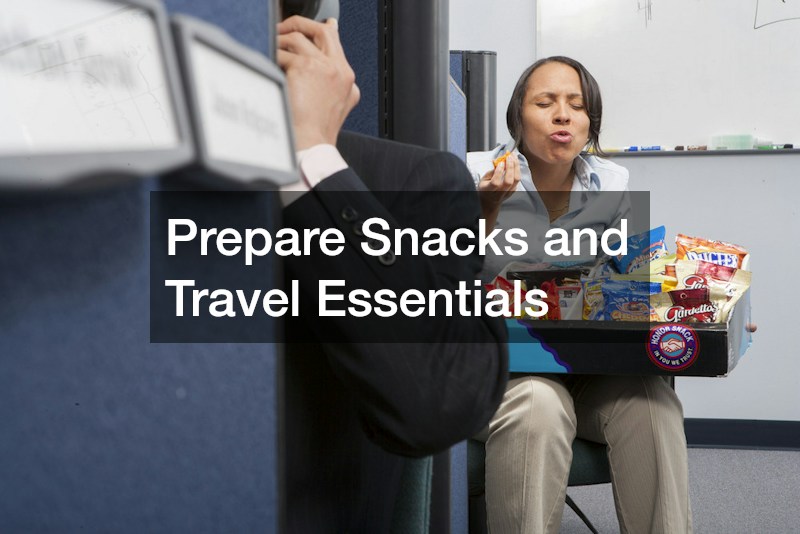
Prepare Snacks and Travel Essentials
Food is one of the easiest ways to make family travel more comfortable. Pack snacks that are easy to carry, simple to eat, and appropriate for everyone in the vehicle.
Families with dietary restrictions or specific nutritional preferences may want to prepare more food at home instead of relying entirely on restaurants and convenience stores. If you use supplements or ingredients such as sunflower lecithin, make sure you pack what you regularly use rather than assuming you will find the same products while traveling.
Bring plenty of water and consider using reusable bottles that can be refilled throughout the trip. For younger children, familiar snacks can also help make unfamiliar travel days feel more predictable.
Do not forget practical items such as napkins, wipes, trash bags, hand sanitizer, and resealable containers. These small supplies can become surprisingly useful when meals and snacks happen inside a car or at outdoor destinations.
Make Your Vehicle Road-Ready
If your family adventure involves driving, your vehicle deserves attention before you leave. A breakdown is inconvenient at any time, but it can be especially frustrating when you have children, luggage, and reservations waiting at the other end.
Schedule necessary maintenance before the trip rather than waiting until the day before departure. A car repair service can help address known mechanical issues and identify problems that may need attention before you put significant mileage on the vehicle.
Check your tire pressure and inspect your tires for visible damage or excessive wear. You should also make sure your spare tire, jack, and other emergency equipment are available if your vehicle uses them.
Fluids, lights, windshield wipers, and battery condition are also worth checking. If your vehicle has been making unusual noises, vibrating, pulling to one side, or displaying warning lights, address those concerns before leaving.
Brakes deserve particular attention because they are essential to safe driving. If you have noticed squealing, grinding, reduced responsiveness, or other unusual behavior, arrange an inspection with local brake repair services before the trip.

Give the Vehicle a Thorough Cleaning
A clean vehicle can make a long family drive much more pleasant. Remove old receipts, empty drink containers, toys, and other clutter before loading your luggage.
Vacuuming the seats and floor can help eliminate crumbs and dirt that tend to accumulate during everyday driving. Wiping down the dashboard, doors, cupholders, and other frequently touched surfaces can also make the interior feel more comfortable.
For families planning a special trip, professional car detailing services can provide a deeper cleaning before departure. This can be particularly useful if you expect to spend several hours in the vehicle.
Even if you prefer to clean the vehicle yourself, try to start with an empty interior. Remove unnecessary items from the trunk and passenger area so you have more room for luggage and travel supplies. You can also contact auto detailers if you want professional help preparing the vehicle before a long family road trip.
Consider Your Vehicle’s Storage Needs
Packing for a family adventure often involves more items than expected. Clothes, food, camping gear, sports equipment, coolers, strollers, and other supplies can quickly fill a vehicle.
Before leaving, determine how everything will fit without blocking visibility or creating an uncomfortable passenger area. Heavy items should be secured properly, and loose objects should not be left where they could become hazards during sudden stops.
If your family travels frequently or wants to take longer camping trips, you might consider whether your current vehicle setup meets your needs. A local RV dealer can be a resource for families exploring recreational vehicles and different options for extended road adventures.
You do not need to purchase anything to improve your travel experience. Sometimes simply using storage bins, packing cubes, roof carriers, or organizers can make the existing space much more functional.

Take Care of Personal Appointments
The days before a trip can become hectic, so take care of important appointments ahead of time whenever possible. This can help prevent small concerns from becoming distractions during your adventure.
For example, if someone in the family has been considering orthodontic treatment or has an upcoming dental concern, scheduling a visit with an Invisalign dentist or another appropriate dental professional may be worthwhile before an extended trip.
Personal care appointments can also be useful before special vacations. Haircuts, routine medical appointments, prescription refills, and other errands are easier to handle before you leave than while you are trying to follow a travel schedule.
Make sure everyone has enough necessary medications and personal-care products for the entire trip. If you take prescription medication, keep it in an appropriate, accessible location rather than packing it somewhere difficult to reach.
Plan for Comfort and Entertainment
Long journeys can test everyone’s patience, especially when children become bored. Preparing entertainment before departure can make the experience considerably easier.
Create a small travel bag for each child with books, coloring supplies, games, headphones, or other activities. Older children may enjoy downloading movies, podcasts, music, or games before leaving so they are not dependent on a cellular connection.
Try to balance screen time with activities that encourage interaction. Travel games, conversation prompts, audiobooks, and family playlists can turn part of the journey into an experience everyone shares.
Comfort matters, too. Pillows, blankets, sunglasses, comfortable clothing, and easy access to water can make a major difference during long drives.
If your family has specific habits around vaping or other age-restricted products, remember that vaping supplies should be handled responsibly and according to applicable laws and safety considerations. They should never be used by children or in situations where use is prohibited.
Think About What You Want to Remember
Family adventures often become meaningful because of the memories created along the way. Consider how you want to document the trip without allowing photography to become a distraction from actually experiencing it.
You can designate one family member as the person responsible for taking occasional pictures, or everyone can contribute a few favorite moments. Try to capture ordinary experiences as well as major attractions because simple family moments can become some of the most memorable.
If you are celebrating a milestone or taking a particularly special vacation, hiring a local photographer at your destination could provide professional family portraits or photographs of an important occasion.
You can also create a shared digital album after the trip. Encourage each family member to contribute their favorite photographs and write down a few memories from the adventure.
Prepare Your Home Before Leaving
Getting your home ready can be just as important as packing your bags. A few simple tasks can help you return to a clean and comfortable space.
Take out the trash, wash dishes, check that windows and doors are secured, and make sure unnecessary lights and electronics are turned off. If you will be gone for an extended period, consider arrangements for mail, packages, pets, plants, and other responsibilities.
Check your thermostat and make sure your home is set appropriately for the season. You may also want to ask a trusted person to keep an eye on the property if you will be away for several days.
Do not advertise your absence publicly while you are away. Being thoughtful about what you share online can help protect your family’s privacy and your home.
Make a Simple Emergency Plan
Even well-planned trips can involve unexpected situations. Having basic emergency information available can make it easier to respond calmly.
Keep important phone numbers, insurance information, reservation details, and emergency contacts accessible. If you are traveling with children, make sure they know what to do if they become separated from the family.
For road trips, keep an emergency kit in the vehicle. Items such as a flashlight, first-aid supplies, water, blankets, chargers, and basic tools can be useful if you experience an unexpected delay.
It is also worth knowing where nearby hospitals, pharmacies, gas stations, and other essential services are located when traveling somewhere unfamiliar. You do not need to memorize every location, but knowing how to find help can provide peace of mind.
Give Yourself Extra Time
One of the simplest ways to make family travel less stressful is to avoid rushing. Give yourself more time than you think you need for packing, loading the vehicle, bathroom breaks, and last-minute questions.
A rushed departure can lead to forgotten items, misplaced documents, or unnecessary tension before the adventure even begins. Leaving a little earlier can give everyone time to settle in and start the trip in a better mood.
Before pulling out of the driveway, perform one final walkthrough. Check that doors and windows are secure, appliances that should be turned off are off, luggage is loaded, and everyone has what they need.
Then take a moment to make sure the family is ready to go.
Focus on the Experience
Preparation is valuable, but the purpose of a family adventure is not to execute a perfect plan. Travel rarely goes exactly as expected, and some of the most memorable moments can come from unexpected changes.
Leave room for spontaneity when your schedule allows. Stop somewhere interesting, try a new restaurant, take an unplanned scenic route, or let the kids choose an activity. A flexible approach can make the trip feel more like an adventure and less like a checklist.
Most importantly, remember that family travel is about spending time together. The destination matters, but so do the conversations in the car, shared meals, funny mistakes, and little discoveries along the way.
A successful family adventure starts before you ever leave the house. Taking time to organize your plans, prepare your vehicle, pack thoughtfully, handle appointments, and make your home secure can eliminate many avoidable sources of stress.
You do not need to prepare for every possible situation. Focus on the essentials, give yourself enough time, and leave some flexibility for the unexpected. With the practical details handled ahead of time, your family can spend less energy worrying about logistics and more time enjoying the experience.
Before your next adventure, make a simple checklist, get everyone involved, and start preparing early. The goal is not a perfect trip—it is creating an experience your family will be happy to remember.